Meet Dr. Garafalo-Peterson
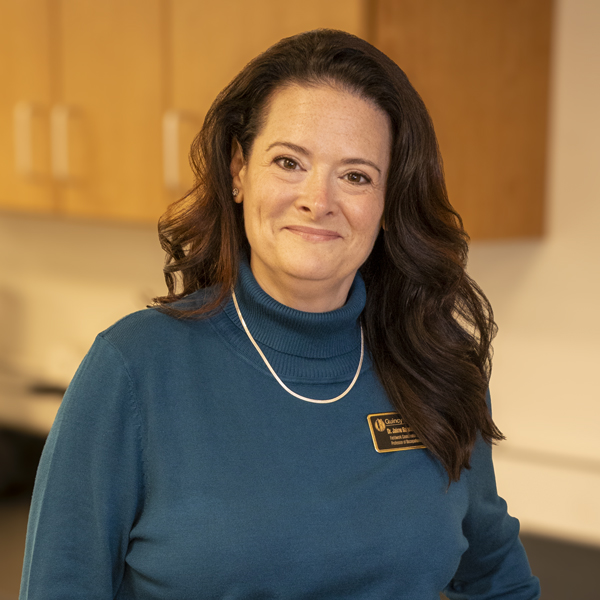
Dr. Jaime Garafalo-Peterson is an occupational therapy educator and clinical education leader with extensive experience preparing students for fieldwork, supporting fieldwork educators, building clinical partnerships, and helping students transition from classroom learning to professional practice. Her background includes longstanding service as an Academic Fieldwork Coordinator and Director of Clinical Education, with responsibility for affiliation agreements, clinical placements, fieldwork policy, ACOTE compliance, student advising, and individualized remediation planning.
Her scholarly and professional work reflects a strong commitment to student success in clinical education. She has presented on Level I fieldwork assessment, fieldwork remediation, reasonable accommodations in clinical education, redefining fieldwork education, and the transition from clinician to academician. Her professional development also includes online teaching, mental health, simulation, telehealth, clinical reasoning, student professional skills, and contemporary practice across the continuum of care.
At Quincy, Dr. Garafalo-Peterson brings a student-centered approach to clinical education and fieldwork preparation. Her work helps students build confidence, professional behaviors, clinical reasoning, and readiness for the demands of experiential learning while maintaining strong partnerships with practitioners and sites.
Areas of Expertise
• Academic fieldwork education and clinical education
• Fieldwork site development and affiliation partnerships
• Student readiness, remediation, and professional behaviors
• Clinical reasoning and transition from student to clinician
• Reasonable accommodations and student support in experiential education
• Community-based occupational therapy and health promotion
• Online and simulation-supported learning
Teaching & Mentorship
Dr. Garafalo-Peterson has taught fieldwork coursework across multiple levels as well as clinical reasoning, health promotion and education, community-based occupational therapy, research, management, and complex-case content. She has advised capstone and research groups and has historically advised 25-40 students per year. Her clinical education leadership has included supporting students and fieldwork educators through site visits, conferences, lunch-and-learns, remediation planning, and ongoing relationship development.
Clinical Background
Her clinical practice includes skilled nursing and post-acute care, home health, and rehabilitation services. She has provided occupational therapy to individuals with a variety of diagnoses, supervised rehabilitation staff, supported competency and orientation programs, and maintained student education programs within clinical settings.
Scholarship & Professional Interests
• Fieldwork education and student performance
• Clinical education assessment and remediation
• Balance, stability, and motor performance research
• Student success and professional skill development
• Simulation and experiential learning
• Community partnerships in occupational therapy education
Professional Leadership & Service
• Director of Clinical Education and Academic Fieldwork Coordinator experience
• AOTA Fieldwork Educator Certificate
• Member of AOTA Fieldwork Innovations Committee
• Extensive institutional service in clinical education, admissions, curriculum, assessment, and community engagement
• Professional presentations at AOTA, NOTA, and occupational therapy education conferences
Education & Credentials
• Post-Professional OTD, High Honors – University of St. Augustine
• BS, Occupational Therapy, Magna Cum Laude – College of Saint Mary
• BA, Psychology, Magna Cum Laude – College of Saint Mary
• AS, General Studies – Iowa Western Community College
• NBCOT-certified Occupational Therapist
• Fieldwork Educator Certificate; Certified Online Instructor; Psychological First Aid; Youth Mental Health First Aid; CEAS I
Why I Teach at Quincy
I enjoy helping students move from knowing occupational therapy concepts to using them confidently in real practice. Fieldwork is where so much professional growth happens, and I want students to enter those experiences feeling prepared, supported, and able to learn from challenges. QU’s hybrid model lets us develop strong relationships with students while also connecting them with clinical partners and practice perspectives across many communities.