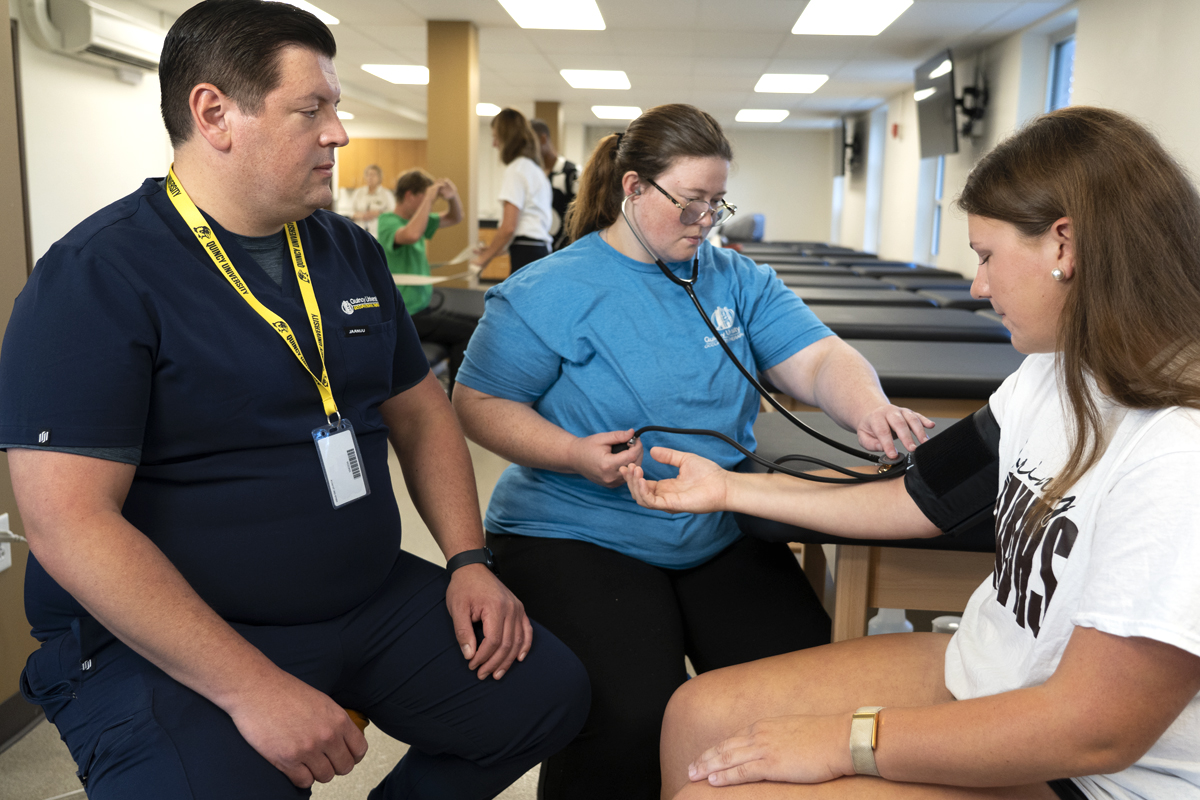

More Than a Career. A Calling.
Prepare for a career helping people regain independence, overcome challenges, and live life to the fullest. Quincy University’s Doctor of Occupational Therapy program combines online learning, hands-on experiences, and personalized faculty guidance rooted in our Franciscan tradition of service.
Next Cohort Start: January 2027 | 8 Semesters | Full-Time Hybrid Format | 107 Credit Hours | 32 Month Completion
Start Sooner. Serve Sooner.
Have questions about admissions, the hybrid format, or your next steps? Connect with our OTD program team.
Make a Difference Through Occupational Therapy
Occupational therapists help people of all ages participate in the everyday activities that matter most, from returning to work to building skills for school and maintaining independence at home.
Combine healthcare, science, creativity, and compassionate care in a profession focused on meaningful change.
Why Quincy University?
-
Online Learning. Hands-On Experience.
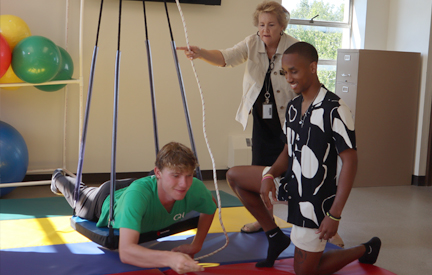
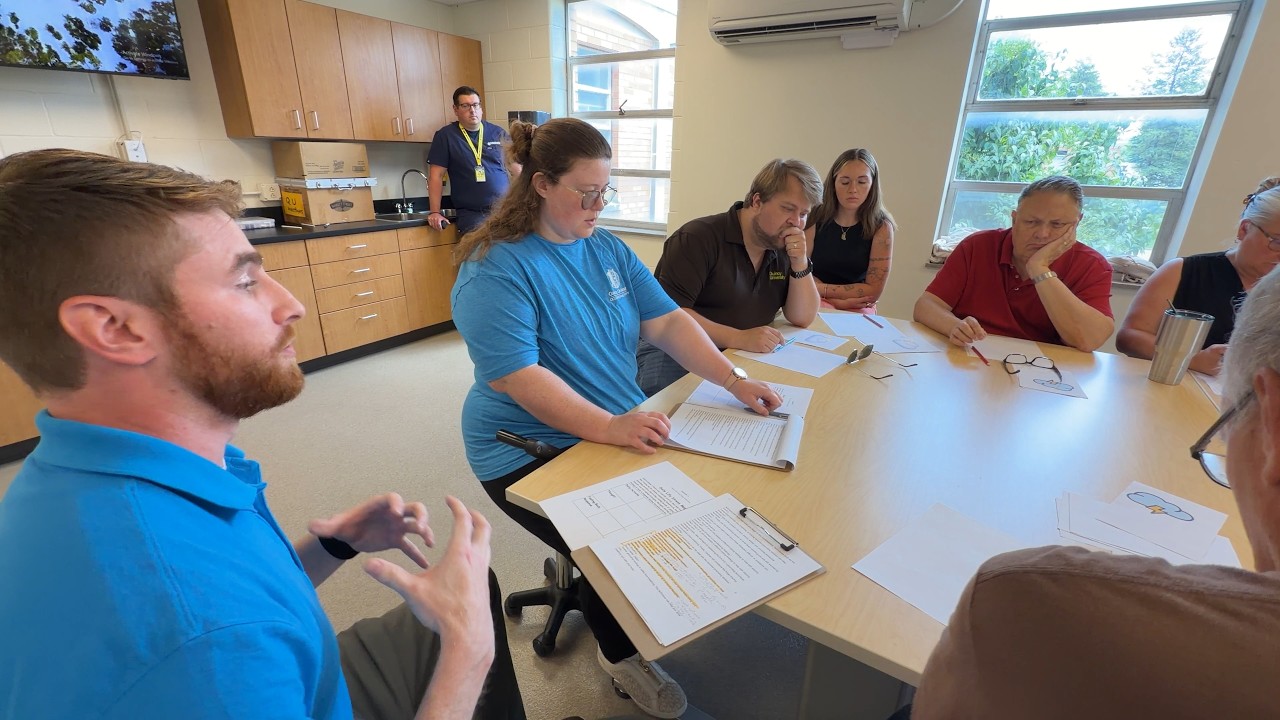
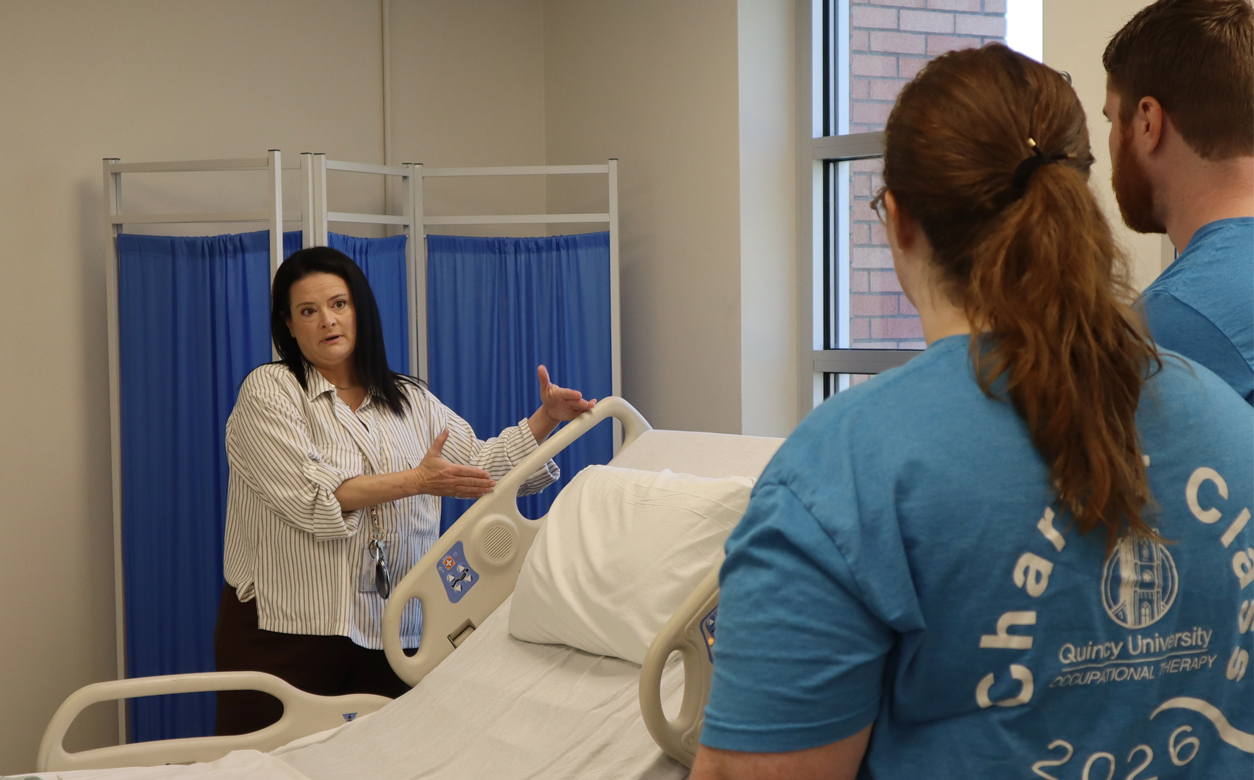
Build your academic foundation online and apply what you learn through immersive, on-campus Hawk OTD Summit Labs in Quincy, Illinois.
-
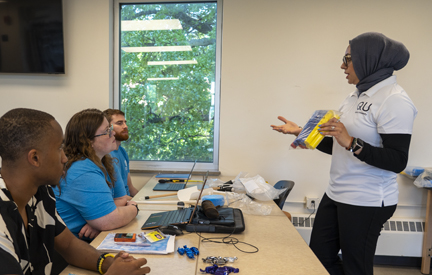
Personalized Faculty Guidance.
Develop clinical reasoning, professional skills, and confidence through faculty mentorship and collaboration.
-
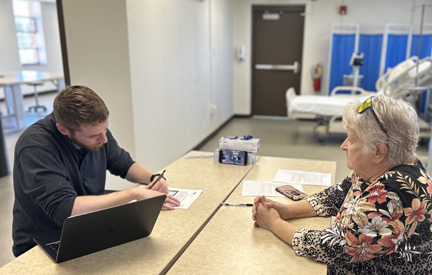
A Purpose-Driven Education.
Prepare for a career grounded in compassion, dignity, ethical responsibility, and service to others.
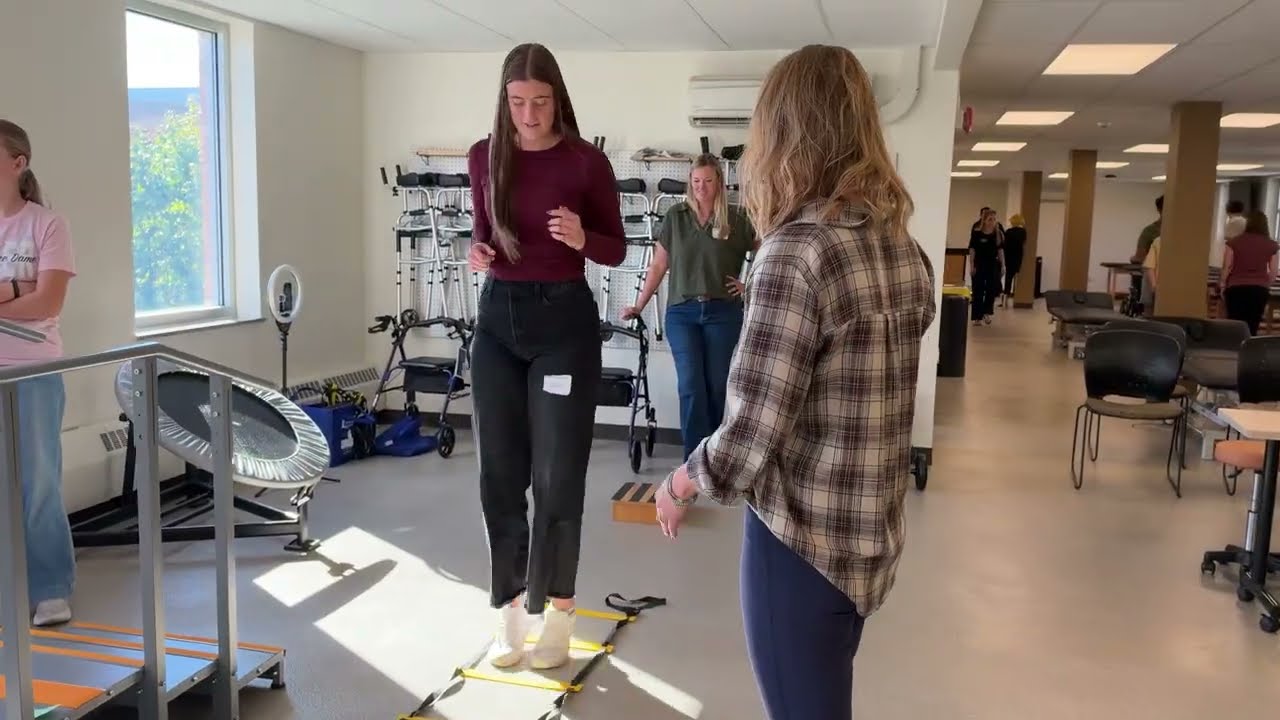
Learn Online. Practice In Person.
Your hybrid experience includes four key components:
Online Coursework: Build foundational knowledge and clinical reasoning.
Hawk OTD Summit Labs: Typically two campus experiences per semester, generally four to eight days each.
Level II Fieldwork: Complete 24 weeks of required clinical fieldwork.
Doctoral Capstone: Complete a mentored, 14-week capstone experience and project.
Plan ahead: Required campus visits, travel, fieldwork, and the doctoral capstone are part of this full-time program. Free transportation from St. Louis Lambert International Airport is available for eligible Summit Lab travel, subject to current arrangements.
Every Calling Has a Story
Hear from OTD students and faculty about what inspires them and the difference they hope to make.
Flexible Hybrid Format + Hands-On Education.
8
2X
32
Discover the QU OTD Experience
See how students connect academic knowledge with hands-on practice, clinical reasoning, and real-world problem-solving.
Your Path to Occupational Therapy
Standard admission requirements include:
- Bachelor’s degree completed or nearing completion
- Minimum 3.0 GPA in the final 60 undergraduate credit hours
- Required prerequisite coursework
- At least 20 observation or shadowing hours with a licensed occupational therapist or occupational therapy assistant
- Three letters of recommendation
- Virtual interview
- Application through OTCAS
- Additional policies may apply. Review current requirements, prerequisites, and deadlines before applying.
-
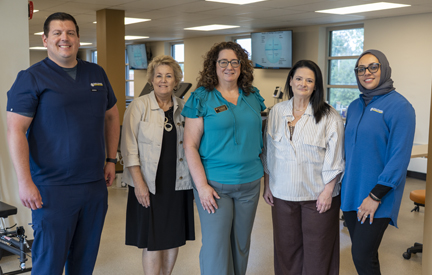
Meet the Occupational Therapy team
Trevor St. Clair, Paula Costello, Kristin Haas, Jaime Garafalo, Asfia Mohammed
-

Start Sooner. Serve Sooner.
Your future in occupational therapy starts with a decision to explore what's possible.
Understand the Investment
Estimated 2026–2027 Tuition and Program Fees
- Estimated tuition: $98,440
- Estimated program fees: $3,880
- Estimated total tuition and program fees: $102,320
Additional expenses may include travel, lodging, meals, books, supplies, equipment, background checks, and fieldwork-related costs. Rates may change. Financial aid may be available to eligible students.
Important Accreditation Information
The entry-level occupational therapy doctoral degree program has applied for accreditation and has been granted Candidacy Status by the Accreditation Council for Occupational Therapy Education (ACOTE) of the American Occupational Therapy Association (AOTA), located at 7501 Wisconsin Avenue, Suite 510E, Bethesda, MD 20814. ACOTE’s telephone number c/o AOTA is (301) 652-AOTA and its web address is www.acoteonline.org. The program must have a pre-accreditation review, complete an on-site evaluation, and be granted Accreditation Status before its graduates will be eligible to sit for the national certification examination for the occupational therapist administered by the National Board for Certification in Occupational Therapy (NBCOT). After successful completion of this exam, the individual will be an Occupational Therapist, Registered (OTR). In addition, all states require licensure to practice; however, state licenses are usually based on the results of the NBCOT Certification Examination. A felony conviction may affect a graduate’s ability to sit for the NBCOT certification examination or attain state licensure.
More Than a Career. A Calling.
Your future in occupational therapy starts with a decision to explore what’s possible. Take the next step toward a profession that combines clinical knowledge, compassionate care, and meaningful service.
NEXT COHORT: JANUARY 2027