Biology

Major, Minor

School of Science and Technology

Biology students explore life from the molecular level to global ecosystems through hands-on laboratory and field experiences. Guided by dedicated Science & Technology faculty, students develop scientific thinking, practical skills, and a deeper understanding of the natural world — preparing them for careers, graduate study, and meaningful service.
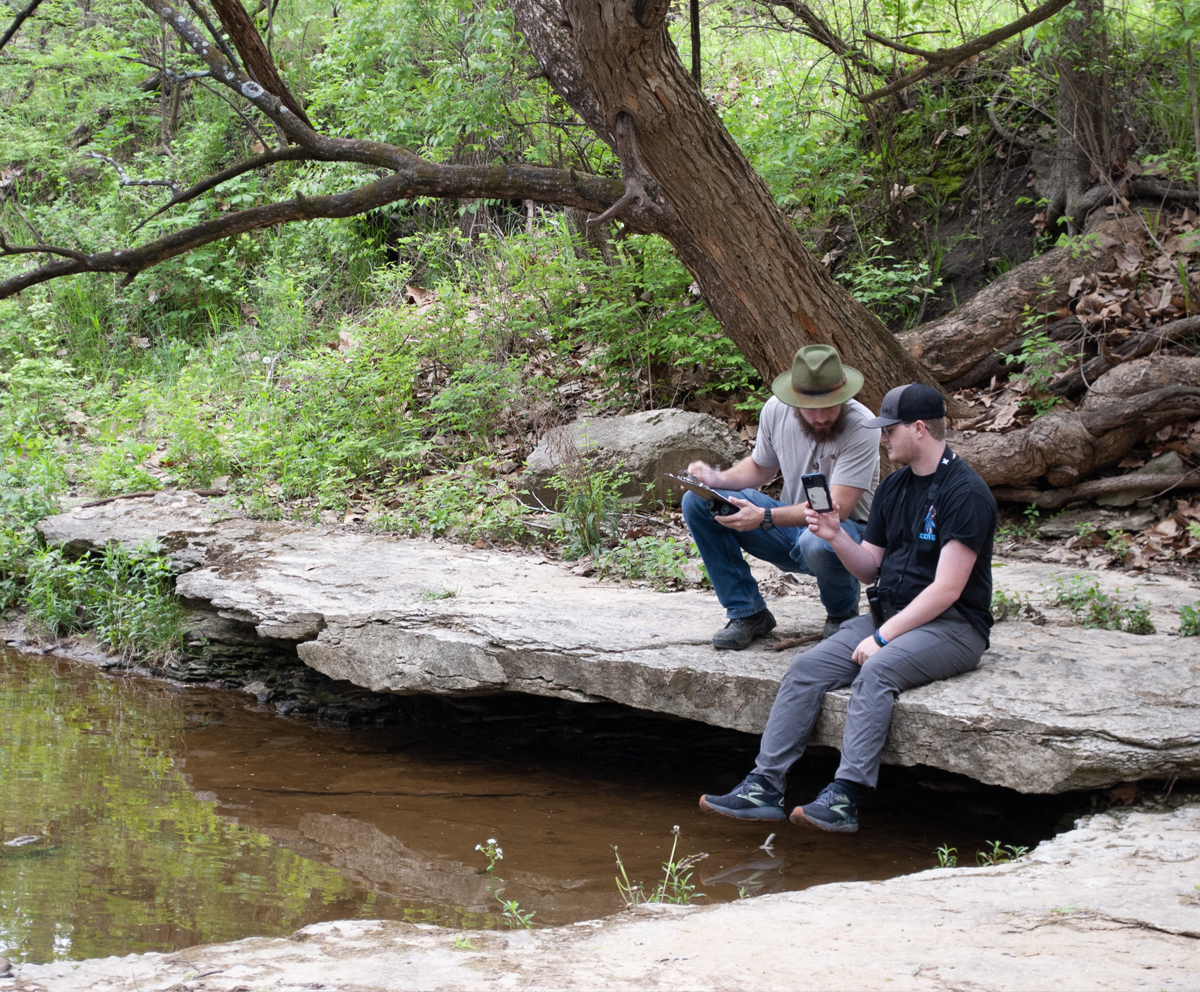
Two students doing biology research near a stream

Opportunities & Outcomes

Through engaging coursework, hands-on lab experiences, and interdisciplinary learning, students build a strong foundation in the life sciences while exploring connections with other fields. With faculty mentorship and opportunities for research and fieldwork, you’ll be equipped for diverse academic and professional pathways.

Career Pathways

Biology students develop scientific literacy, critical thinking, and communication skills—preparing them for careers in education, public health, science communication, environmental policy, and more. This major is also excellent preparation for graduate or professional study in fields that value a broad-based science education.

Healthcare & Life Sciences

  • Medical, dental, pharmacy, or veterinary school*
  • Physician assistant or allied health programs*
  • Clinical or medical laboratory technician*
  • Biomedical or healthcare research assistant

Research & Laboratory Science

  • Biological or laboratory research technician
  • Research assistant in academic, hospital, or industry labs
  • Quality control or quality assurance technician
  • Data collection or laboratory support roles

Environmental & Ecological Careers

  • Environmental or conservation biologist
  • Wildlife or fisheries technician
  • Environmental testing or monitoring specialist
  • Sustainability or natural resources coordinator

Biotechnology & Applied Biology

  • Biotechnology lab technician
  • Pharmaceutical or industrial biology roles
  • Food science or agricultural biology technician
  • Regulatory or compliance support positions


Education & Science Communication

  • Biology teacher (with additional certification)*
  • Science educator or outreach coordinator
  • Technical writer or science communicator
  • Museum or community science educator

Public Health, Policy & Service

  • Public health or community health roles
  • Government or regulatory agency positions
  • Nonprofit or conservation organization roles
  • Health education or outreach coordinator

Graduate & Professional Pathways

  • Graduate study in biology or related sciences
  • Medical, dental, pharmacy, or veterinary programs*
  • Graduate programs in environmental science, biotechnology, or public health
  • Law, policy, or science administration programs

*Additional certification, licensure, or graduate study may be required for some roles.

Programs of Study Offered

  • Bachelor of Arts in Biology
  • Minor in Biology

Learning By Doing

Field & Lab Research

Collaborate with faculty on projects that address pressing questions in health, conservation, and environmental science. Present your findings, publish your work, and discover the joy of contributing to knowledge that matters.

Internships & Service Projects

Biology at QU is rooted in action—whether shadowing doctors, interning in hospitals, or joining conservation efforts like Missouri Stream Team and Monarch Watch. You’ll see how science directly impacts lives and communities.

Faculty Spotlight

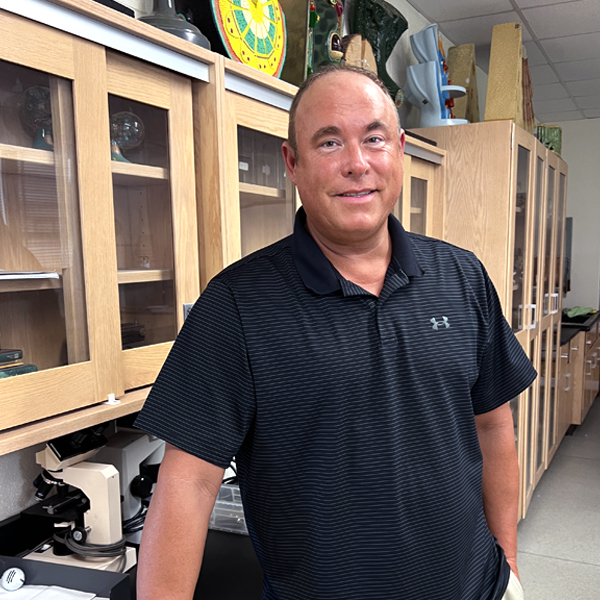
Joseph Coelho, PhD

Joseph Coelho, PhD

Professor of Biology

Sapan Desai, MD, PhD

Sapan Desai, MD, PhD

Assistant Professor of Biology

Terry Williamson, MS

Terry Williamson, MS

Assistant Professor of Biology

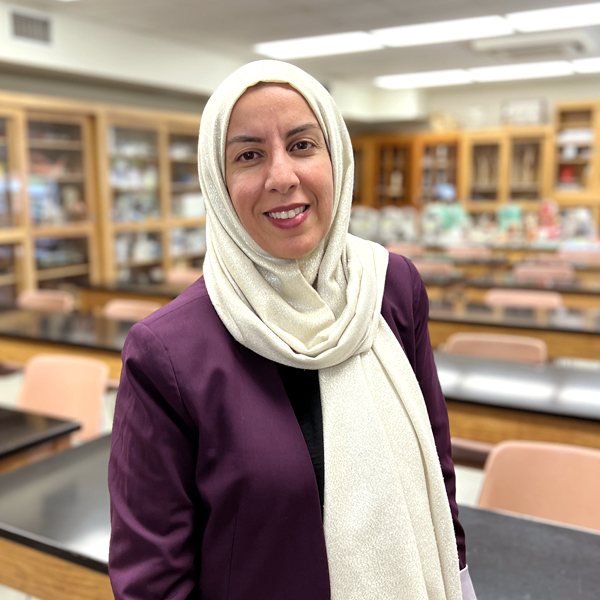
Faten Shaeib, MD, PhD

Faten Shaeib, MD, PhD

Assistant Professor of Biology

Degree Requirements

Bachelor of Arts

Bonaventure Program

The Bonaventure Program is every QU student's foundation for our liberal arts education, involving service learning, signature courses, writing and technological literacy. Program Requirements

Take the Next Step