
Opportunities & Outcomes
Students develop advanced counseling knowledge and practical skills grounded in ethical practice, cultural responsiveness, and evidence-based approaches. Rooted in Quincy University’s Catholic Franciscan values, the program emphasizes compassion, service, and respect for human dignity. Through rigorous coursework and supervised field experiences, graduates are prepared to make a meaningful and lasting difference in the lives of students, families, and communities.
Career Pathways
Graduates of the MSEd in Counseling are prepared for professional roles focused on guidance, advocacy, and student support, as well as for advanced licensure pathways where applicable.
School & Educational Counseling
- School counselor (with appropriate licensure)*
- Academic or college advising professional
- Student success or retention specialist
- Career or guidance counselor
Student Services & Higher Education
- Academic advisor or success coach
- Admissions, retention, or enrollment counselor
- Residence life or student engagement professional
- Title IX, accessibility, or student support services roles
Community & Human Services
- Youth or family services counselor*
- Community outreach or program coordinator
- Nonprofit or faith-based counseling roles
Social services or advocacy positions
- Mental Health & Behavioral Support
- Counseling or behavioral health roles (with additional licensure)*
- Case manager or client services coordinator
- Crisis intervention or support services professional
Leadership & Professional Advancement
- Program coordinator or director
- Education or counseling leadership roles
- Graduate study toward advanced counseling credentials or doctorates*Licensure and certification requirements vary by role and state.
Programs of Study Offered
- Master of Science in Education in Counseling in Clinical Mental Health Counseling
- Master of Science in Education in Counseling and College Student Personnel
- Master of Science in Education in School Counseling
Program Mission
The mission of the Quincy University Master of Science in Education in Counseling and College Student Personnel program is to train individuals to become competent professional counselors and/or college student personnel. The program facilitates personal and professional growth via a combination of academic rigor, experiential learning, personal and professional reflection, and service to the community. The program is committed to the development of counselors and college student personnel as ethical, reflective practitioners and Servant-Leaders, who exhibit an affinity for lifelong learning, a commitment to social justice, and an appreciation for the diverse world in which they live and practice.
Program Objectives
The Quincy University MEC program will:
- Provide students with academically rigorous coursework in order to facilitate their knowledge and understanding in the following eight core areas:
- Professional Orientation and Ethical Practice
- Social and Cultural Diversity
- Human Growth and Development
- Career Development
- Helping Relationships
- Group Work
- Assessment
- Research and Program Evaluation
- Provide students with special emphasis coursework (related to professional school counseling, clinical mental health counseling, and college student personnel (student affairs)) that will enable them to work in a variety of settings.
- Require students to regularly engage in personal and professional reflection in order to facilitate increased self-awareness, self-monitoring, and self-evaluation.
- Regularly expose students to multicultural issues relevant to the counseling profession, and encourage students to reflect upon these issues in class activities, discussions, and/or written assignments.
- Provide students with experiential learning opportunities ranging from classroom and service activities to field experience during practicum and internship.
Encourage and facilitate the development of student dispositions appropriate to the counseling profession. - Regularly evaluate student progress, and provide students with regular feedback regarding academic progress, dispositional performance, and clinical development.
- When necessary, provide students with remediation opportunities when their progress through the program is hindered by academic, clinical, or dispositional difficulties.
- Enforce departmental policies regarding student retention, remediation, and/or dismissal.
- Keep students informed of departmental policies, and provide students with an appeal process regarding retention and dismissal decisions.
Learning Outcomes
Graduates of the MEC program will demonstrate:
- Competency in each of the eight core counseling areas identified by the Council for Accreditation of Counseling and Related Educational Programs (CACREP) and the National Board for Certified Counselors (NBCC).
- Competency in each of the knowledge domains identified by state credentialing bodies (Illinois, Missouri, and Iowa) based on the student’s/graduate’s respective program emphasis (i.e., Clinical Mental Health or Professional School Counseling)
- Dispositions befitting an entry-level counseling professional
- Levels of counseling proficiency (i.e., conceptual ability, application of counseling theory, appropriate demonstration of techniques/skills) befitting an entry-level counseling professional
- An ability to engage in self-reflection as a means of promoting self-awareness and personal growth
- Proficiency in their ability to adhere to ethical standards and engage in ethical decision-making processes befitting an entry-level counseling professional
- An understanding of how their role as a counseling professional encompasses service to the community, advocacy, and servant leadership in order to promote the empowerment of those they serve.
Licensure
The Counseling Program meets the criteria set forth by the State of Illinois Department of Professional and Financial Regulation for those seeking licensure as a Licensed Clinical Professional Counselor (LCPC). The counseling program also meets requirements for licensure as a Professional School Counselor in the state of Illinois.
The U.S. Department of Education regulations require that Quincy University disclose to students whether a program leading to professional licensure or certification meets the educational requirements in all US states and territories. Visit Counselor Licensure Disclosure for details.
Graduates who choose the emphasis in Clinical Mental Health Counseling will be eligible to take the examination to become a Licensed Professional Counselor (LPC). Upon completion of post-graduate clinical experience, these graduates will be eligible to take the examination for licensure as a Licensed Clinical Professional Counselor (LCPC).
Graduates who choose the emphasis in School Counseling will follow a curriculum approved by the Illinois State Board of Education. Successful graduates can be recommended by QU for licensure with an endorsement in the area of School Counseling.
Accreditation
The Master of Science in Education in Counseling Program offers programs in Clinical Mental Health Counseling and School Counseling that are accredited by the Council for Accreditation of Counseling and Related Educational Programs (CACREP).
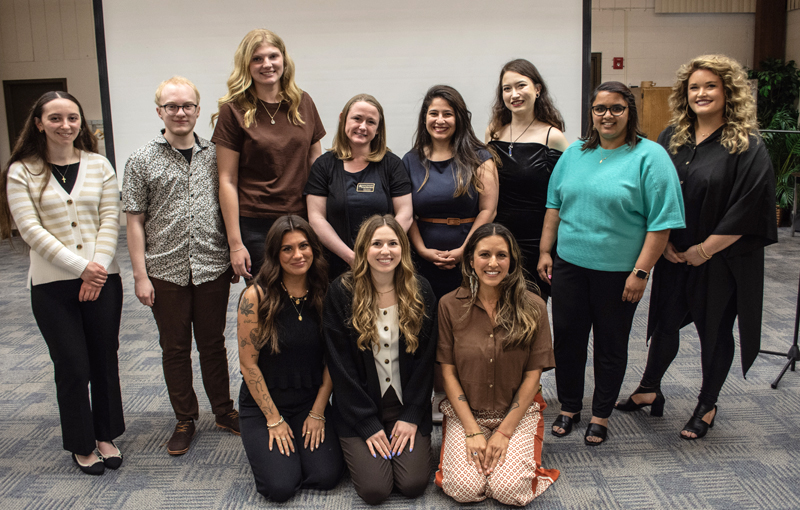
Faculty Spotlight
Contact
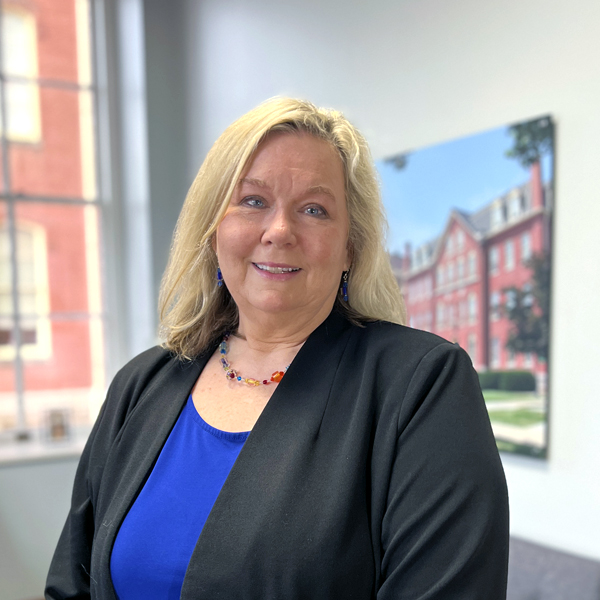
Kenneth Oliver, PhD
Dean, School of Education & Human Services
Director, MEC Program
Professor of School & Community Counseling
217-228-5432 extension 3113
oliveke@quincy.edu
Amy K. Stollberg, M.S.Ed, Associate Dean of Transfer and Graduate Admissions
Francis Hall Room 111
217-228-5212
stollam@quincy.edu
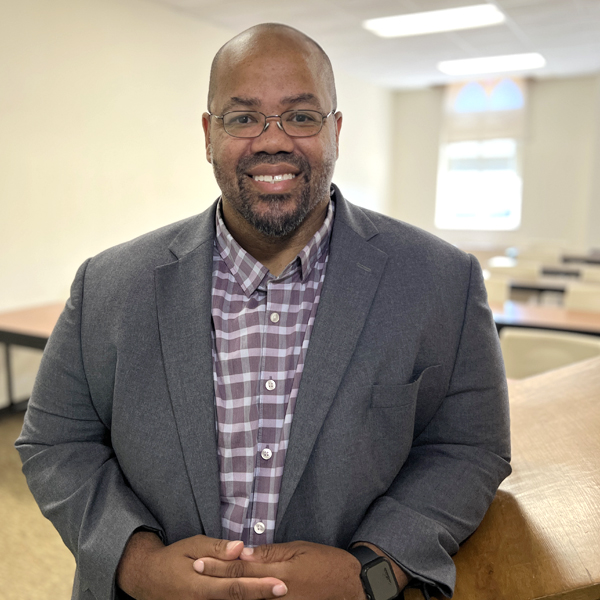
Kenneth Oliver, PhD
Dean, School of Education & Human Services; Director, MEC Program; Professor of School & Community Counseling