Opportunities & Outcomes
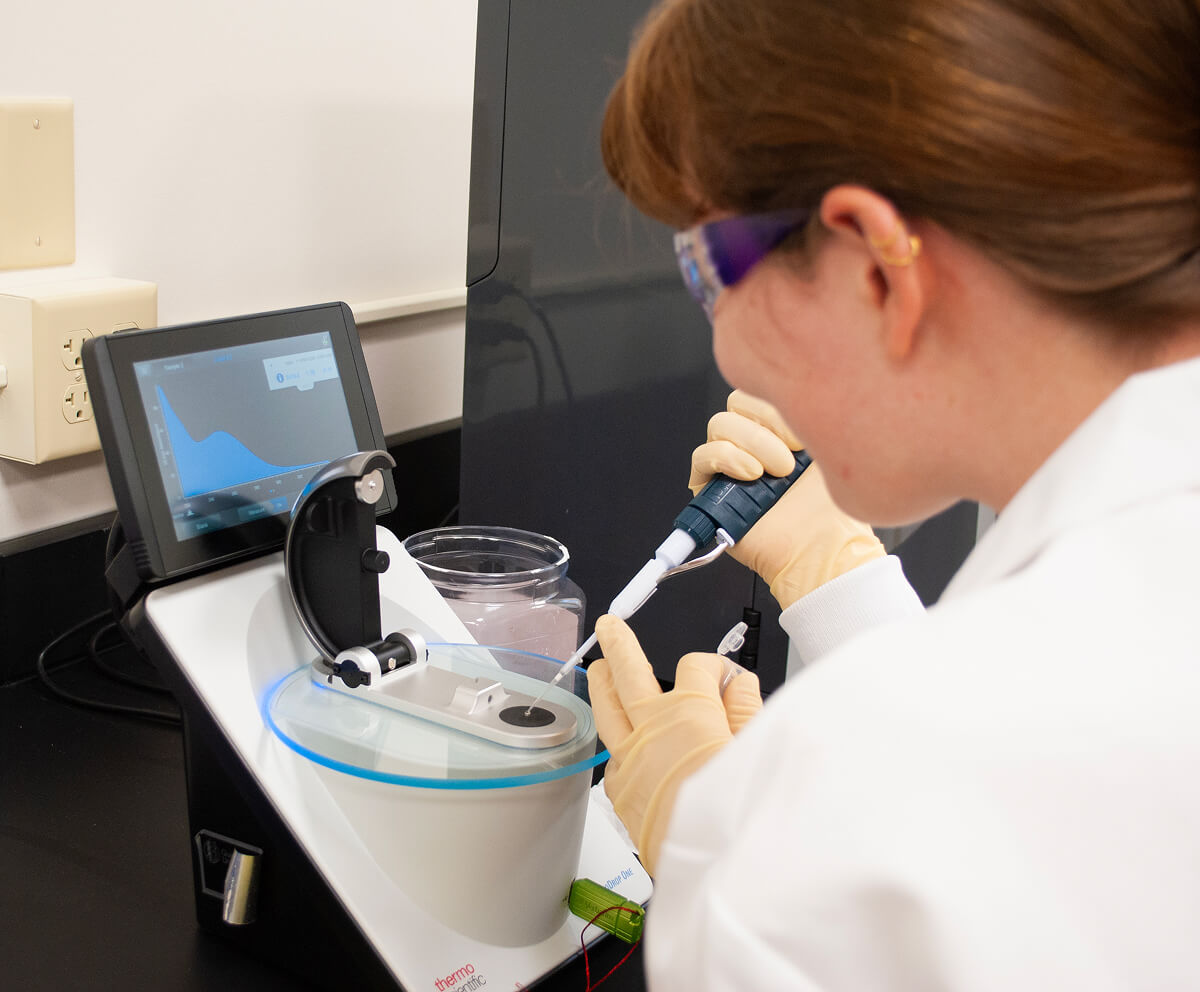
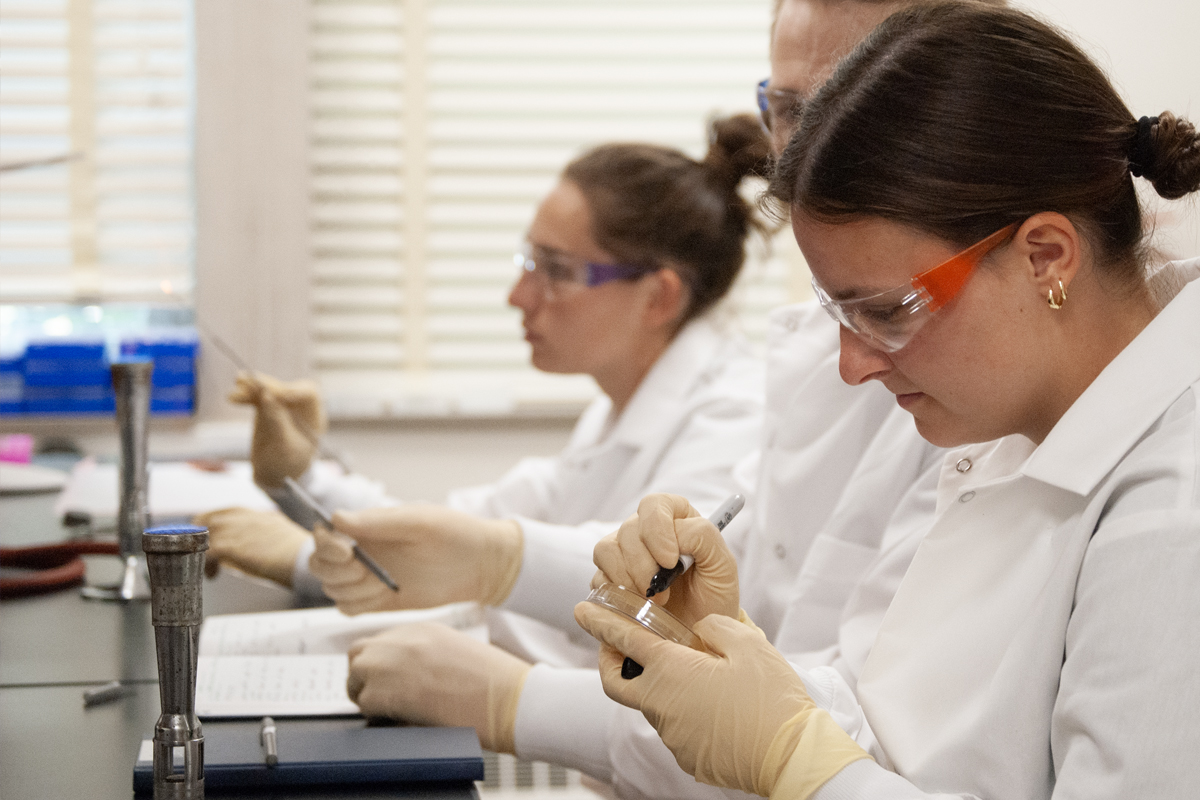
A Biological Sciences degree from Quincy University prepares students for careers that combine scientific skill, critical thinking, and service across healthcare, research, environmental science, and graduate study. Through hands-on laboratory experiences, faculty-mentored research, and applied coursework, students gain a strong foundation in biological principles and scientific inquiry.
Graduates are prepared for a variety of professional paths, including healthcare and allied health fields, laboratory and clinical research, environmental and conservation sciences, biotechnology, education, and advanced study in graduate or professional programs. Students develop analytical reasoning, data interpretation, and ethical decision-making skills that support meaningful contributions to their professions and communities.
Career Pathways
Healthcare & Pre-Professional Pathways
- Medical, dental, pharmacy, or veterinary school*
- Physician assistant or allied health programs*
- Clinical or medical laboratory technician*
- Biomedical or healthcare research assistant
Research & Laboratory Science
- Biological or laboratory research technician
- Research assistant in academic, hospital, or industry labs
- Quality control or quality assurance technician
- Data collection or laboratory support roles
Environmental & Conservation Careers
- Environmental or conservation biologist
- Wildlife or fisheries technician
- Environmental testing or monitoring specialist
- Sustainability or natural resources coordinator
Biotechnology & Applied Biology
- Biotechnology laboratory technician
- Pharmaceutical or industrial biology roles
- Food science or agricultural biology technician
- Regulatory or compliance support positions
Education & Science Communication
- Biology teacher (with additional certification)*
- Science educator or outreach coordinator
- Technical writer or science communicator
- Museum or community science educator
Public Health, Policy & Service
- Public or community health roles
- Government or regulatory agency positions
- Nonprofit or conservation organization roles
- Health education or outreach coordinator
Graduate & Professional Pathways
- Graduate study in biology or related sciences
- Medical, dental, pharmacy, or veterinary programs*
- Graduate programs in environmental science, biotechnology, or public health
- Law, policy, or science administration programs
- *Additional certification, licensure, or graduate study may be required for some roles.
Programs of Study Offered
The chemistry curriculum offers pathways to match students’ academic interests and career goals, including options for those pursuing forensic science, pre-medical and health professions, or a minor to complement another field of study.
- Biological Sciences, Pre-Medical Sciences Concentration, BS
- Biological Sciences, BS
- Biological Sciences, Environmental Concentration, BS
- Biological Sciences, Pre-Occupational Therapy Concentration, BS
- Biological Sciences, Pre-Physical Therapy Concentration, BS
- Biological Sciences, Teacher Licensure, BS
Learning by Doing
Real-World Anatomy Experience
Quincy University offers students hands-on learning opportunities through access to an on-campus cadaver laboratory. This facility supports anatomy-based coursework by allowing students to study human structures in a controlled, respectful, and professionally supervised environment. The cadaver lab enhances academic preparation for careers in healthcare, biomedical sciences, and related fields by reinforcing theoretical knowledge with direct anatomical observation.
Field & Lab Research
Collaborate with faculty on projects that address pressing questions in health, conservation, and environmental science. Present your findings, publish your work, and discover the joy of contributing to knowledge that matters.
Internships & Service Projects
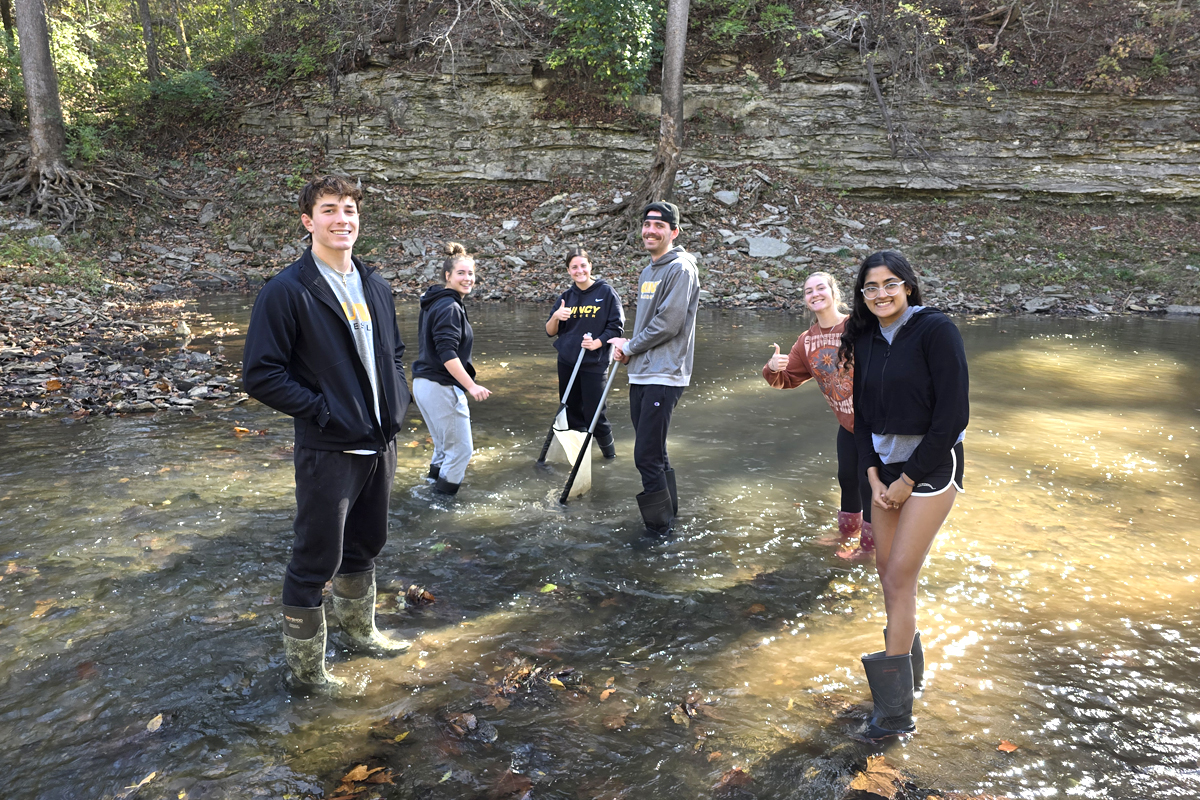
Biology at QU is rooted in action—whether shadowing doctors, interning in hospitals, or joining conservation efforts like Missouri Stream Team and Monarch Watch. You’ll see how science directly impacts lives and communities.
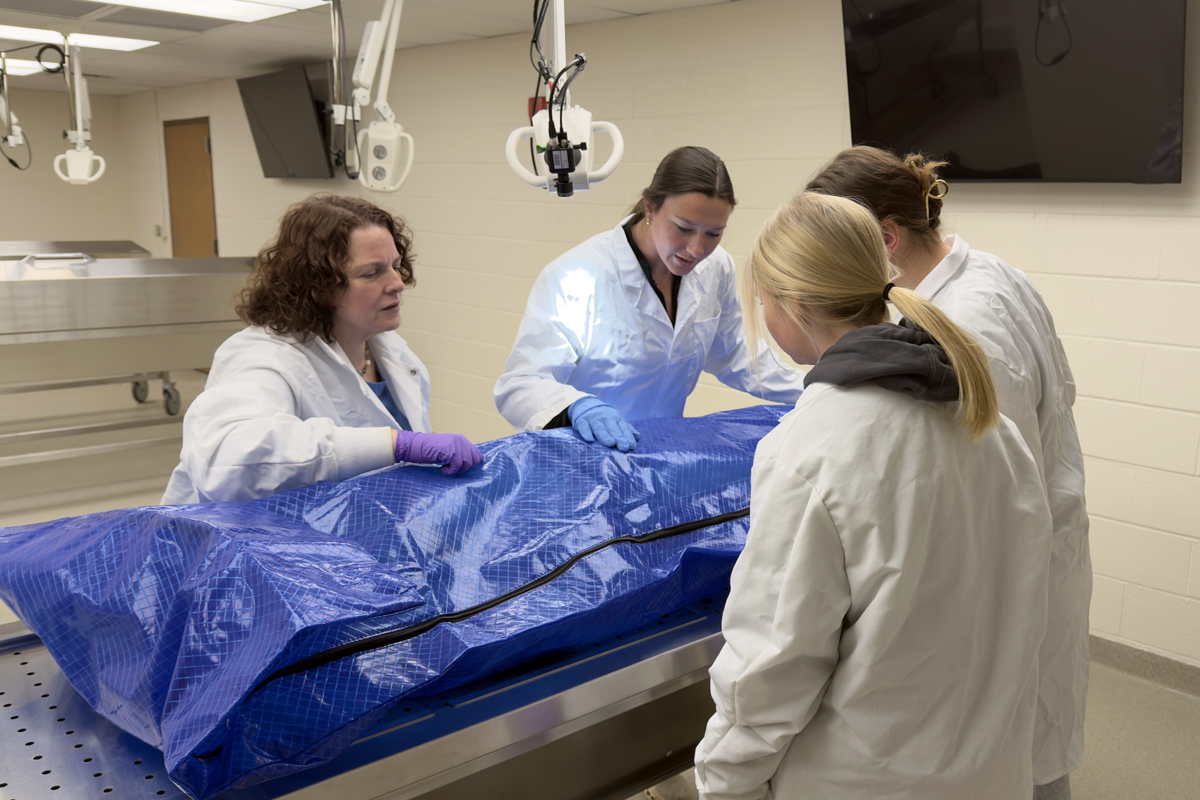
Cadaver Lab
Quincy University is home to a state-of-the-art Human Gross Anatomy Laboratory that supports both undergraduate education and advanced doctoral training in Occupational Therapy and Physical Therapy.
Faculty Spotlight
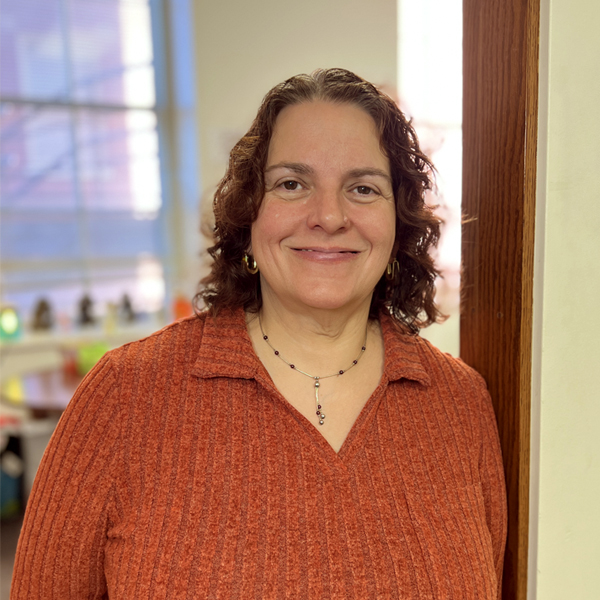
Kimberly Hale, PhD
Associate Provost; Director of Academic Advising; Professor of Biological Sciences
Degree Requirements
Bachelor of Science
- Biological Sciences, BS
- Biological Sciences, Pre-Medical Sciences Concentration, BS
- Biological Sciences, Environmental Concentration, BS
- Biological Sciences, Pre-Occupational Therapy Concentration, BS
- Biological Sciences, Pre-Physical Therapy Concentration, BS
- Biological Sciences, Teacher Licensure, BS